Right Here's The Most Significant Factor Controlling Where Your Body Gains Fat
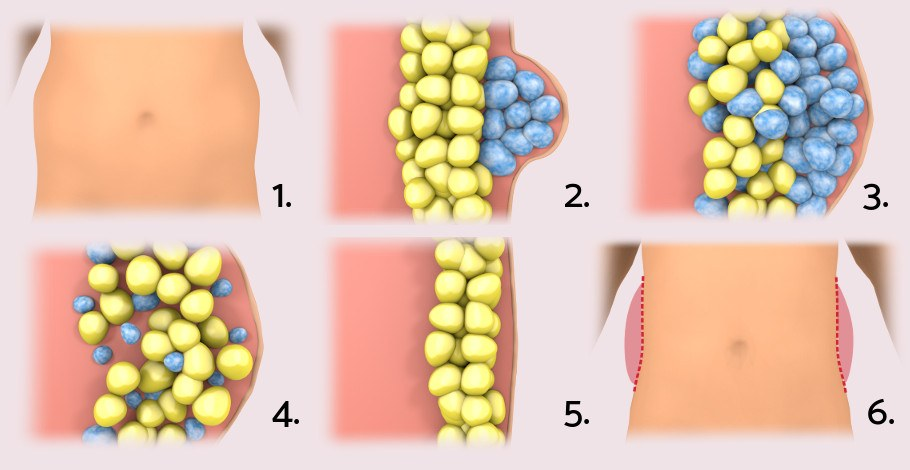
Excess Skin Vs Persistent Fat: Whats The Distinction?
Include Suitable Rest Days
If you're not seeing the adjustments you want, take into consideration dealing with healthcare professionals. A registered dietitian can assist determine hidden barriers, whether it's hormonal inequalities, swelling, or certain modifications required to your existing regimen. When your friends make healthy and balanced options, you're more likely to do the exact same.Just How To Remove Subcutaneous Fat?
" Over-eating isn't the main root cause of obesity," Ludwig wrote in a Washington Article op-ed last July. " Instead, the process of putting on weight causes us to eat way too much." A radical idea. Certain way of living adjustments and HIFU technology interventions, such as maintaining a healthy and balanced weight, doing toning workouts to target problem areas or using skin tightening up lotions, may improve the look of loose skin.- Overall weight loss normally occurs systemically, also when aggravation is focused in one area.
- They don't constantly originated from the locations near the muscles you are working out, which is why area reduction of fat isn't feasible.
- " What advocates of EBM say, nevertheless, is that total calorie consumption is still much more vital for weight gain than the source of those calories."
- Absence of rest interrupts hormones like ghrelin (rises hunger) and leptin (signals volume), making it more challenging to manage appetite.
- " This is a crucial problem, and yet we actually still do not recognize what triggers it," Speakman said during his opening comments.
TDEE relies on the REE, free-living activities, and the quantity of physical activity performed, collectively called AEE. A fraction (∼ 10%) of the TDEE can be explained by the thermal impact of food (TEF) (Westerterp, 2004). Even though cardiorespiratory fitness is a forecaster of the TEF, the impact of workout on the TEF continues to be uncertain (Calcagno et al., 2019).
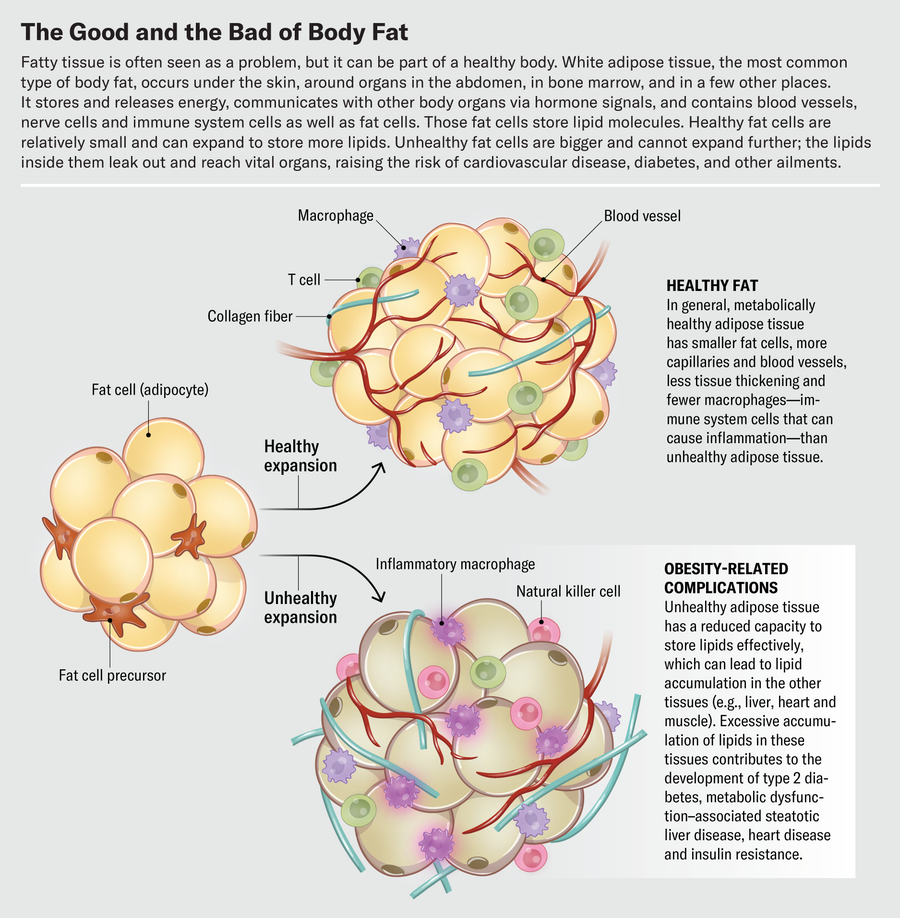
Nevertheless, the greatest factor of just how much fat your body is saving deep in your abdomen is your overall body weight. Compared to visceral fat, subcutaneous fat is a lot more metabolically passive, meaning it doesn't respond as rapidly to diet regimen and exercise. This makes it more challenging to shed, particularly in locations like the reduced abdominal area, hips, and thighs. It's not that people are gaining weight by eating way too much and not working out enough, they say. Instead, something about the food-- all those high-glycemic snacks and deals with in the Western diet plan-- is straining the body hormonally, inclining it to keep fat and (in some way) spurring much more consumption of those foods.